limbus game Combat Mechanics Explained
Block, Posture, SP, Light, Armor Coin Skills, and M1 cancel windows in limbus game.
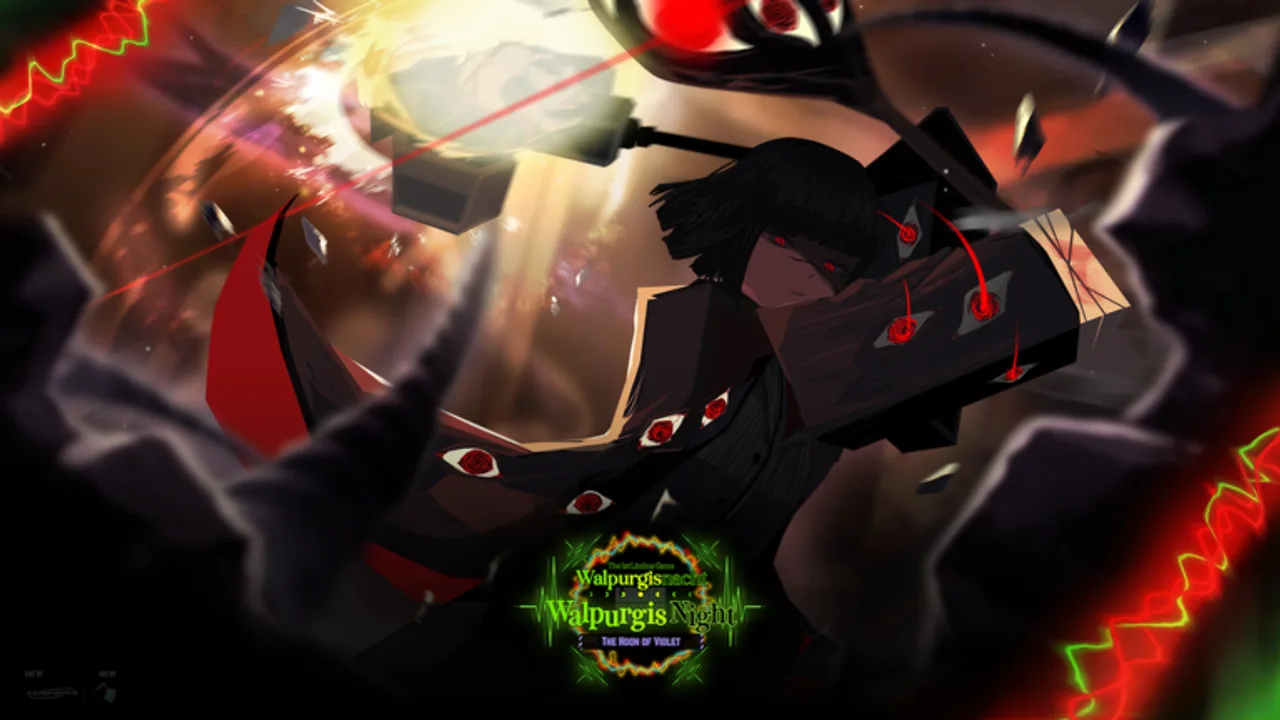
Battlegrounds games reward who presses more buttons. limbus game rewards who manages Posture, SP, Light, and Clash while still landing cancels. This guide explains the shared combat math for the Roblox experience inspired by Limbus Company, created by games of limbus. Bindings live on Controls; Clash timing has its own page at How to Clash. Boss pattern pages start at How to Beat Bosses.
If you are brand new, skim Getting Started first so Identity selection and Selection UI (M) are out of the way.
The resource triangle: Posture, SP, Light
Think in three meters every exchange:
- Posture — rises when you take hits while blocking. At 100% you blockbreak: lose 10 SP and raise your Stagger Threshold by 5% HP. High Posture means you are one mistake from a free punish.
- SP — fuels pressure and recovery after exchanges. Clash Wins restore SP (more on consecutive wins). Final M1 restores 10 SP on hit, or 5 SP if the opponent is blocking. Blockbreak steals 10 SP from you instantly.
- Light — extends skills and combo routes. Spending Light keeps strings alive; starving Light drops you into punishable gaps mid-kit.
Winning players spend Light on purpose, farm SP with Clash and Final M1, and treat Posture like a fuse — never let it burn to the end while holding F.
Block rules that actually matter
Block (F):
- Negates stun
- Blocks M1s
- Reduces skill damage
- Still accumulates Posture when hits connect against the block
Block is a tool, not a lifestyle. Chip a blocked opponent to push their Posture, then hard commit when they are near break. On defense, release early, dash (W/A/S/D + Q), and re-block only for the next readable string. Eating blockbreak is often worse than taking a clean hit because of the SP loss and raised Stagger Threshold.
M1 strings, cancels, and Armor
LMB Basic Attacks form your M1 string. Critical rules:
- M1s are cancelable by Coin Skills (skills on 1–4). The cancel is how you leave a string into real damage or Armor without finishing a punishable animation.
- Some Coin Skills have Armor and show a glow. Throw Armored skills when you expect a trade or need to push through a contest.
- Completing the string into the Final M1 is a resource play: +10 SP on hit, +5 SP if they are blocking. If you need SP more than a flashy skill, finish the string.
RMB Special and Identity kits layer on top of this skeleton. Learn the shared cancel first; Identity-specific routes belong with the Players pages and the Tier List once you can execute under pressure.
Combo Break as a Posture spend
Combo Break (R) is available when Posture is under 30% and costs 60% Posture. That cost is intentional — it is an expensive reset, not a dash. Use it when:
- You are already losing a string and dashes will not leave the hitbox
- A boss script will kill you if you stay locked
- You need a hard interrupt to re-enter Clash on your terms
Do not Combo Break the first time you see orange. Save the meter relationship (under 30% available / 60% spend) for moments that change the round.
Light: extending without overextending
Light exists to extend skills and combo. Practical habits:
- Spend Light to connect Coin Skill routes you already started, not to fish from fullscreen with empty reads.
- If Light is low, shorten the plan: M1 confirm into one skill, then dash out and rebuild.
- Boss phases that demand long scripts punish empty Light harder than PvP — enter Mirror Portals (H) with a Light plan, covered further in How to Beat Bosses.
Clash preview (system link)
When skill meets skill, you Clash. Clash Win restores SP; consecutive wins restore more. Clash is both a defensive answer and an SP engine. Full execution notes — when to contest, when to bait, how streaks work — live on How to Clash. Mechanically, remember that every Clash decision feeds the same SP pool you use for pressure after the window.
Practical mid-fight checklist
- Glance at Posture before holding Block for another second.
- Ask whether the next button should be M1 cancel, Armored Coin Skill, or dash.
- Bank SP with Final M1 or Clash Win before dumping your entire kit.
- Spend Light only on routes you can finish.
- Keep Combo Break available until Posture and pressure both justify the 60% spend.
Training order
- Day 1 — Block release + dash compass (Controls)
- Day 2 — M1 cancel into each skill key; note which Coin Skills glow with Armor
- Day 3 — Final M1 SP confirms versus blocked opponents
- Day 4 — Clash contests (How to Clash)
- Day 5 — Portal bosses with the same rules under longer scripts
Related hubs
- Guides Hub — all tutorials
- Getting Started — onboarding order
- Controls — bindings
- How to Clash — skill vs skill
- How to Beat Bosses — Mirror Portals
- Tier List / Players — Identity context
- Updates — balance changes after patches
- Wiki overview — game summary
Public Codes rarely exist; do not wait on gifts to learn systems. For board-level mechanic notes, use the official Trello and limbus Discord alongside this page.
Frequently Asked Questions
Quick answers for Clash, Identities, codes, and more.
What happens at 100% Posture?
You blockbreak: lose 10 SP and raise your Stagger Threshold by 5% HP. Release block and dash before Posture fills.
How do I regain SP in combat?
Clash Wins restore SP (more on consecutive wins). Final M1 restores 10 SP on hit or 5 SP if the opponent is blocking.
What does Armor mean on Coin Skills?
Some Coin Skills have Armor and show a glow. They are safer to use in trades or contested space compared with unarmored skills.
When should I use Combo Break?
Only when Posture is under 30% and you need a real reset. It costs 60% Posture, so save it for strings or scripts you cannot dash out of.